I never thought I’d be the kind of person who wakes up early just to draw something that barely resembles anything at all. Morning routines always sounded like elaborate performances created by people with far more discipline than I possess—sun salutations, boiling oats at the perfect temperature, journaling about feelings that are still half asleep. None of that ever came naturally to me. But a few months ago, something quietly shifted, almost by accident, when I began drawing abstract shapes each morning.
It started the way most changes in my life do: unintentionally, and a little messily. One day I sat down at my kitchen table, waiting for the kettle to finish its half-hearted rumble, and absent-mindedly dragged a pen across a scrap of paper. I wasn’t trying to create anything meaningful; it was more like letting my hand wander while my brain was still rebooting. The line turned into a loop, the loop into a weird blocky spiral, and the next thing I knew, I’d filled the entire margin of an old receipt with these soft, interconnected shapes. It felt strangely satisfying—like stretching after too many hours in a cramped chair.
The next morning I did it again. Not deliberately at first; more like a reflex, the way one reaches for a light switch in the dark. Over time, though, it slipped into something intentional. I noticed how my shoulders eased a little when I began. How my breathing, usually clipped and impatient in the morning, became slower without me telling it to. And soon enough, I realized I had stumbled into a ritual—not glamorous, not planned, but undeniably grounding.
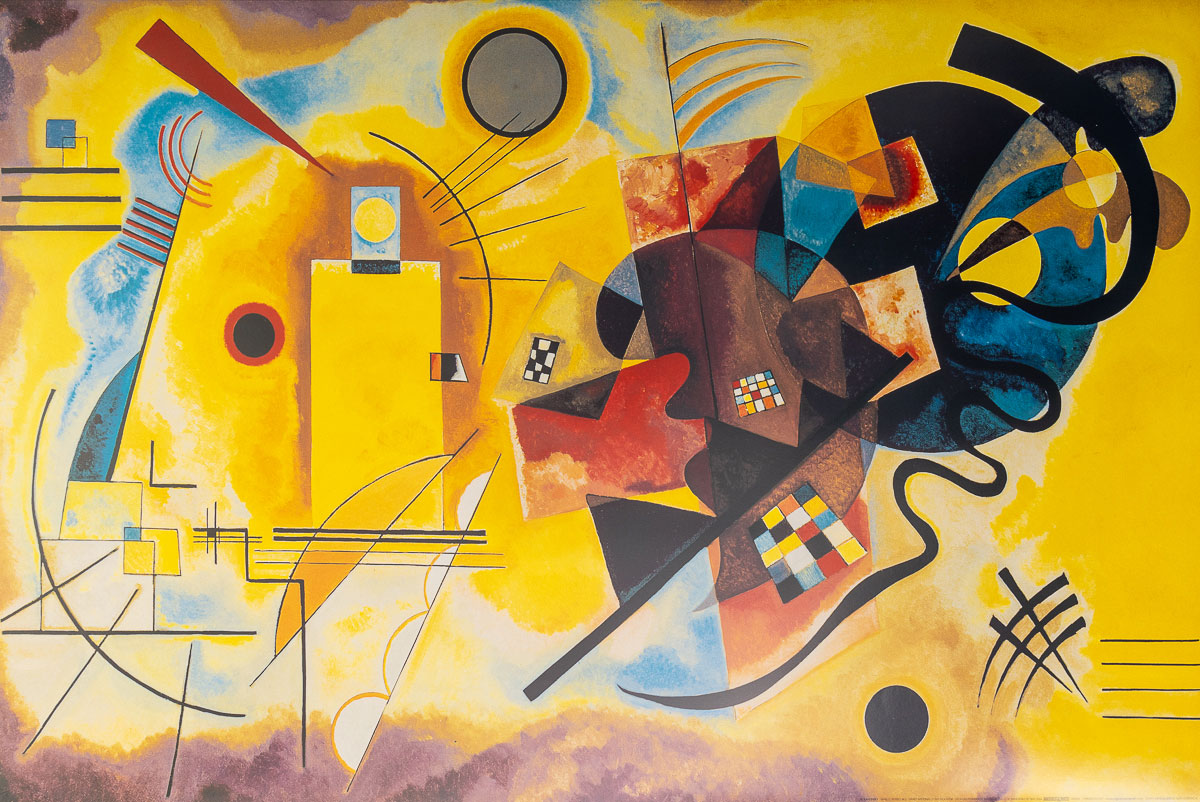
I think what makes drawing abstract shapes so calming is the lack of rules. My brain, especially in the morning, behaves like a neighborhood stray cat—easily startled, easily distracted, and definitely not in the mood for instructions. Abstract shapes ask for nothing specific. There’s no perspective to nail, no realism to chase, no expectation that someone else will find meaning in it. The meaninglessness is the point. It’s like giving your mind permission to breathe without performing.
Some days my shapes look like tangled vines; other days they resemble melted ice cubes or little islands floating nowhere in particular. Once I accidentally drew something that looked suspiciously like a sea creature, and immediately felt guilty for slipping into something recognizable, as though I’d broken the unspoken contract of abstraction. But even that wasn’t really a failure—it just revealed what was swirling in my half-awake mind that day. There’s something oddly intimate about seeing your own subconscious spill out as crooked loops and uneven circles.
What surprised me even more is how this tiny ritual shifted the texture of my mornings. I’ve always woken up with a bit of static buzzing around me—a busy, restless feeling that has nothing to do with actual responsibilities and everything to do with the way morning air seems to press against the body. But when I draw, the static thins out. I imagine it draining through the pen, dripping into the shapes themselves. My notebook has become a catalog of these little dissolving storms.
I also realized this practice has a rhythm of its own. The moment the pen meets the page, it feels like dipping