When I first decided to try living without plastic for a month, I had no idea what I was signing up for. It seemed simple enough. How hard could it be to give up plastic, right? After all, there’s a lot of talk about sustainability, and I’d seen the documentaries—so many images of animals tangled in plastic and landfills growing like silent monsters. I felt a mix of guilt and curiosity, and I thought, “This is something I can do to make a difference.”
What I didn’t realize, though, was how thoroughly plastic had become entangled in my life. My phone case, my toothbrush, the packaging of nearly every product I bought, the bags I used for groceries, the disposable coffee cups… plastic was everywhere. It was inescapable. And yet, I made a vow: 30 days, no plastic. It sounded like a neat challenge, a noble attempt to “do better.”
The first day was a blur of small victories and unexpected defeats. My coffee shop was an easy win; I brought my own reusable mug and asked for a paper cup instead of the usual plastic one. But as soon as I stepped out of the café, I realized I had no way of eating my lunch—the sandwich I’d packed was wrapped in plastic wrap. “Okay, no big deal,” I told myself. “I’ll just use a cloth napkin instead next time.”
That first day ended with me peeling off the plastic shrink-wrap from my fruits and vegetables. And when I sat down to dinner, I realized that the cheese I had been craving was wrapped in plastic, too. It seemed so trivial, but I felt the weight of it. I was starting to understand that this wasn’t going to be a simple, neat journey. This was going to be a game of wits between me and modern convenience.
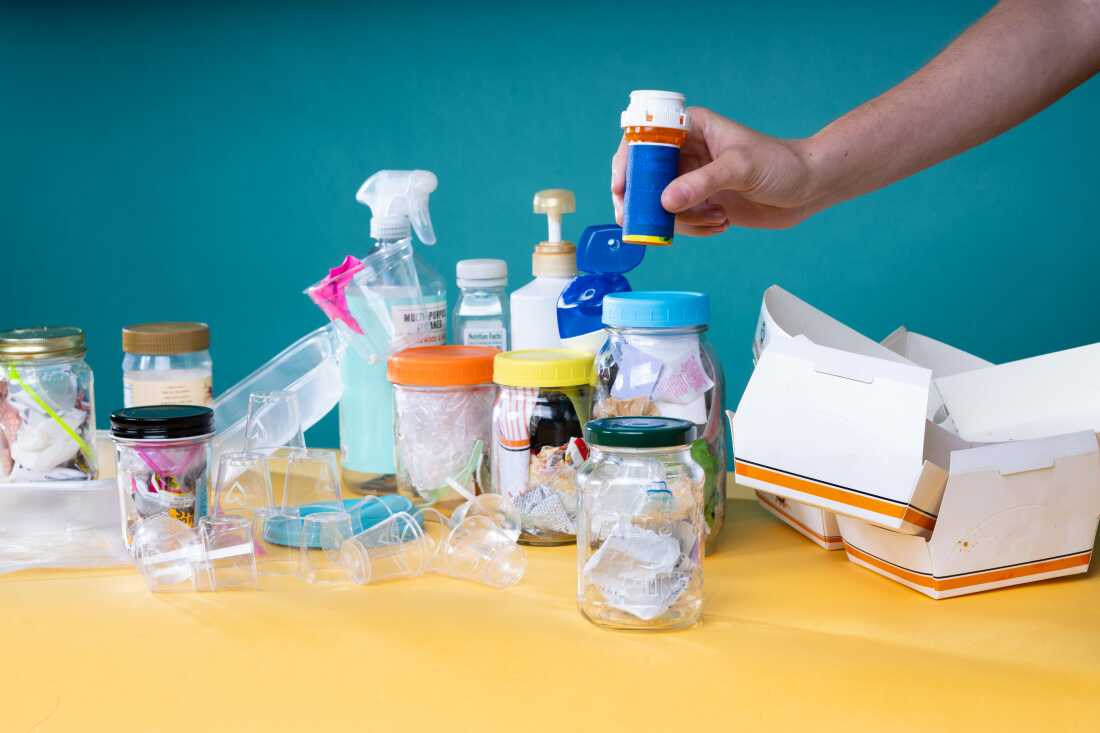
The first week passed in a haze of small challenges. I spent hours researching alternatives for plastic bags, which quickly turned into a quest for reusable ones that I actually liked. I dug through my cupboards to see what could be swapped for glass containers, metal straws, and cloth bags. I began collecting those cloth shopping bags that I usually left in my car, and I made a point of using glass jars for leftovers. But as I walked through the supermarket, the reality hit me: plastic was everywhere. It was in the packaging, the fruit stickers, the milk cartons—everywhere. Even the pasta I grabbed off the shelf had a plastic bag inside the box. And don’t even get me started on the cleaning products. Every single one was encased in plastic.
On day five, I had a minor breakdown in the frozen food section of the store. I stared at the frozen peas, which were in a plastic bag that I couldn’t find any alternative for. It felt so pointless, so ingrained into the system, that I started to question the whole thing. Was it even possible to do this without feeling overwhelmed? My mind began racing, wondering how long this “challenge” would last before I just snapped and went back to plastic like everyone else.
But something strange happened during week two. The more I had to think about how I could avoid plastic, the more aware I became of my consumer habits. I started noticing the endless cycle of single-use items in my life: the bottled water I’d buy when I was thirsty, the sandwich bags I used for snacks, the layers of plastic wrap and packaging that protected my food. I realized how much I’d been mindlessly contributing to the very problem I was trying to avoid.
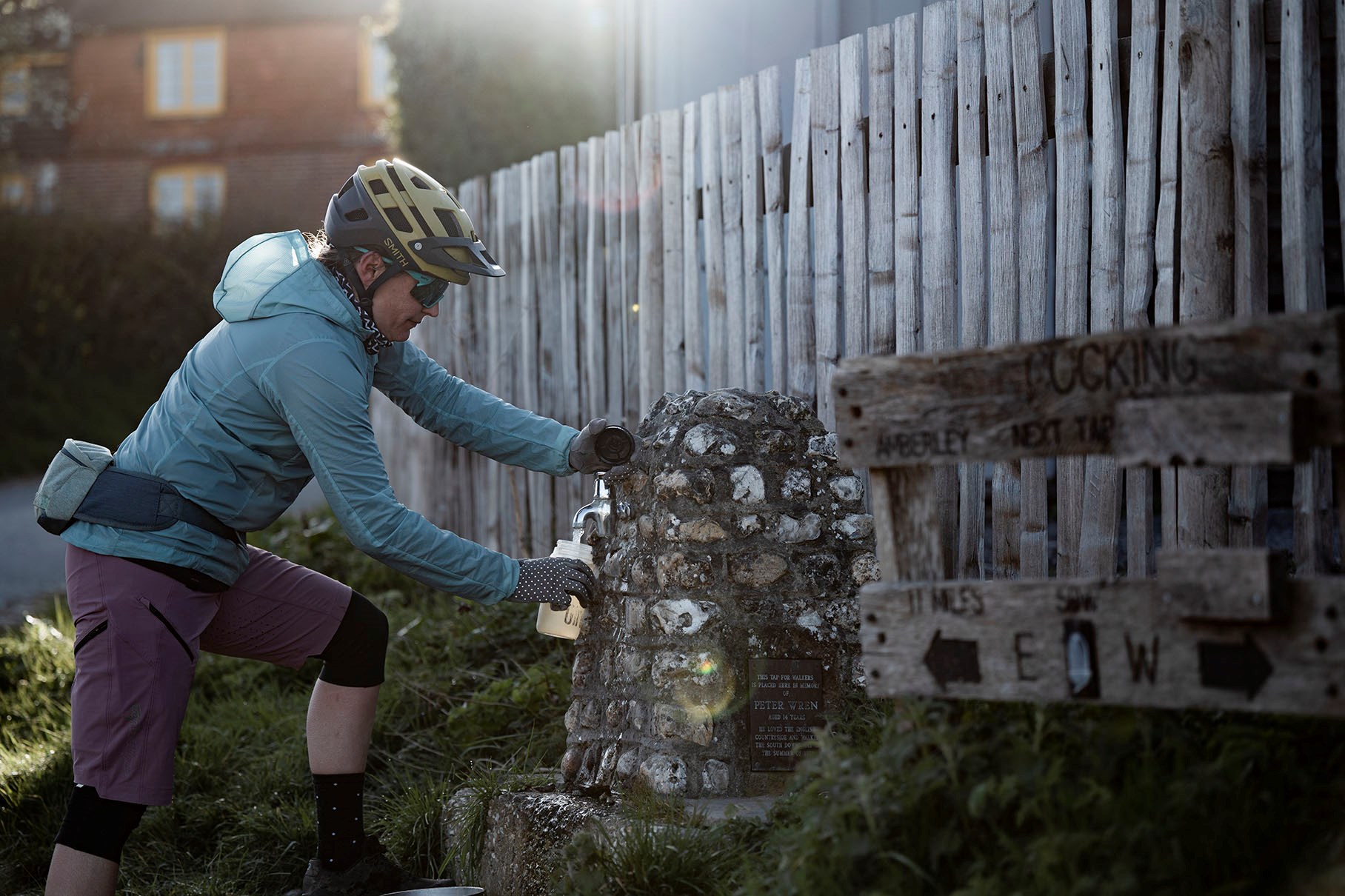
By the end of the second week, I had learned a lot about myself. I had replaced my usual plastic sandwich bags with reusable beeswax wraps, and I had bought a stainless steel water bottle to replace the endless stream of plastic bottles. I switched to using cardboard instead of plastic straws at coffee shops, and I made a conscious effort to bring my own containers to take out. I’d started buying in bulk and used glass jars to store dry goods instead of plastic containers. Even though it was hard, there was a strange satisfaction in knowing that I was taking small steps to reduce my environmental footprint.
But I also discovered something I hadn’t expected: plastic isn’t just a material, it’s a cultural norm. Society has built its convenience around plastic, and breaking away from it felt like I was swimming against a tide. I had to be creative. The first time I took a trip to the store with a pile of reusable bags and a metal coffee cup in hand, I felt like a walking advertisement for sustainability, proudly defying what everyone else was doing. But then I realized how much that actually meant—I wasn’t just “using less plastic,” I was changing my habits, my routines, my mindset.
The third week was a little easier. I had adapted to living without plastic, and I had learned to think ahead. I stocked up on fresh produce at the local farmer’s market, where everything was sold without packaging. I brought my own reusable bags to every shop, and I started using old jars for storing everything from granola to leftovers. Slowly, my world began to look a little different. My closet was no longer full of plastic-wrapped products, and my kitchen smelled more like fresh herbs than like plastic containers.
But it wasn’t all easy. The most difficult part was the emotional weight of it. There’s something inherently comforting about the ease of plastic: it’s convenient, it’s cheap, and it’s everywhere. The sheer amount of decision-making required to live plastic-free became exhausting. Every meal, every trip to the store, every product purchase was an opportunity to choose differently—and sometimes, it felt like I was constantly fighting an invisible enemy.
Then came the final week of my plastic-free challenge, which I thought would feel like a triumphant victory. Instead, I ended up reflecting on how plastic had woven itself so deeply into my life. The absence of it felt liberating, but also disorienting. I wasn’t just surviving without plastic—I had learned to prioritize what really mattered to me, my values, and my impact on the world around me. It wasn’t about rejecting modernity or convenience; it was about making conscious choices in the face of overwhelming convenience.
After the month was over, I didn’t go back to plastic the way I thought I would. It had become too clear that I could reduce my reliance on it. I didn’t need every meal wrapped in plastic, and I didn’t need to buy bottled water every time I went for a walk. The plastic-free lifestyle didn’t have to be perfect, but it had given me something unexpected: a sense of agency. A small, but powerful reminder that our habits don’t have to be dictated by what’s easiest, but by what we choose.
Now, when I see a plastic-wrapped item, I don’t automatically reach for it. Instead, I ask myself: “Do I really need this? Is there another way?” The challenge wasn’t just about surviving without plastic; it was about changing the way I saw my everyday actions.
Living without plastic for a month wasn’t easy, but it was one of the most eye-opening experiences I’ve had. It taught me the power of conscious choices, the value of thinking beyond convenience, and the quiet satisfaction of making a small change that could lead to bigger ones. And while I might not be completely plastic-free, I’m much more mindful now of the impact my daily choices have. That’s something I can live with.